Click to Read Full Transcript
Rick Currier (00:01.555)
All right, Christine Angela, welcome.
Christine Turner White (00:04.37)
Correct, Angela.
Angela Heenan (00:05.132)
Thanks. Hi, hey guys, good to see you.
Rick Currier (00:08.072)
This is a first. I've done one. So when I was at Foundry IDG, I did one podcast where I had two guests in person. It was at reInvent, but this is the first time I've done it virtually. So I'm really excited.
Christine Turner White (00:20.274)
You're getting the best twofer because Angela and I have worked together before, so we kind of feed off each other.
Angela Heenan (00:25.08)
Yeah, it's great.
Rick Currier (00:25.291)
No, it was super cool because first of all, was Angela that recommended you, Christine, because I came to Angela and I was like, look, we're opening the doors for Never Go to Market Alone, February 11th, I got to plug that. And I was like, do you want to come on on the episode? And she actually recommended you. But then we somehow still got Angela on the episode. So I love it.
Christine Turner White (00:44.23)
I think that was my doing. was like Angela should come too.
Rick Currier (00:47.595)
you
Christine Turner White (00:49.628)
That is part of partnership, it's collaboration together.
Rick Currier (00:51.947)
It's funny you say that. Yeah. So we're having an episode today on collaboration. Super excited. I think we're going to break it down into external collaboration and internal collaboration. you know, based on the prep call we had, what I'm most excited about was this isn't like lofty foo foo type recommendations. I mean, we're going to have some like strategic tactical discussions on it, which is super cool. But now, Angela, you have me thinking like the shows never go to market alone. I really should have two guests on every single time. I think that makes more sense.
Angela Heenan (01:20.536)
always bringing good ideas, right?
Rick Currier (01:21.995)
I know, right? We're off to a good start. All right, so why don't we just start with introductions? Who wants to go first?
Angela Heenan (01:27.63)
Go ahead, Christine.
Christine Turner White (01:27.762)
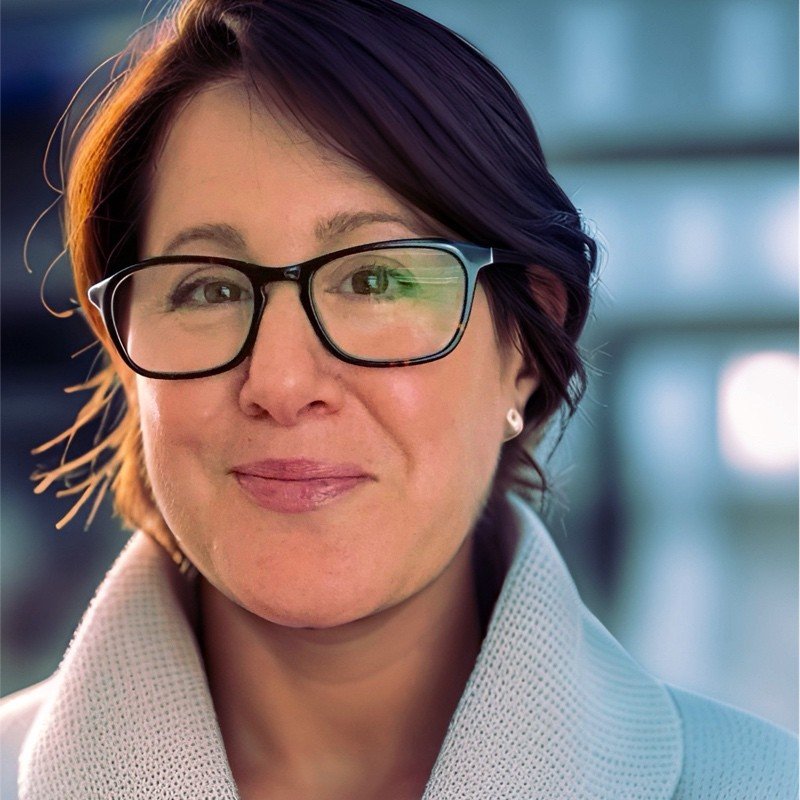
I'll go first. Okay, I'm happy to. So hi everybody. My name is Christine White. I've been a partner marketer for over 25 years. Most of my background has been in software. So I've been doing supply chain software, financial services software, e-commerce. I've worked at places like IBM and Salesforce and most recently at Boston Dynamics. So made a little bit of a pivot to a hardware role with robotics. But interestingly over the years,
We've just fine-tuned some of this stuff and the lessons are still the same.
Rick Currier (02:00.649)
Awesome, thank you Angela.
Angela Heenan (02:02.848)
Angela Heenan, I'm currently in Boston at a startup called Maven AGI. Very exciting. But my career was, you know, started up, well, my parents owned restaurants. So I think that my DNA is in hospitality and building relationships. And so that kind of has carried on throughout my entire career and experience through life. Always loved innovation and technology and big brands.
I start off my career in Boston again at Arnold advertising, the media space and worked with a ton of great agencies, our customers. And yeah, just felt the energy moving into the startup space at a startup company called CMGI back in the day, the dot-com days and really love that. yeah, worked with Christine at Salesforce and you know, like I said, back in Boston at Maven building enterprise ready AI agents. So having a good time.
Rick Currier (02:57.489)
Awesome. Well before we dive into collaboration and your answers could be something in collaboration I just want to ask you just generally in partner marketing as as you've gone through your careers What have been the biggest surprises to you? Within partner marketing and like I said, that could be collaboration. I can have nothing to do with collaboration
Christine Turner White (03:17.285)
I think the biggest surprise is how uninformed companies are about the importance of partners and the role they can play in driving opportunity. I think most people think of partners as maybe just resellers or they are agencies. And I really think if we do partner marketing right, we're actually building a parallel revenue stream and we're contributing to the bottom line. I think...
It takes a long time to educate people. And so I'm always sort of surprised every time I come to a company and they say, we've hired you as a partner marketer. We have a partner sales team. We're ready to go and build up the ecosystem. I think they know what they, where they want to end up, but I don't think they really understand the nature of partnering. And when it comes down to sort of the operational challenges, the investments, the collaboration internally, we'll get down to that later. I think it becomes a struggle. And I guess that just surprises me that there isn't more.
awareness of the value that partners bring.
Angela Heenan (04:17.036)
You're so right, Christine. I mean, we've worked both at the bigger companies that the partner marketing is not quite fully understood across all the different teams. And that is like a challenge, right? It's the education process of trying to be the voice of the customer. Hi, don't forget about our partners. You know, we're here to help, you know, generate money, build pipeline, all that, accelerate everything. And then being back at a startup.
you have that opportunity to lay the foundation quickly and really show the impact, which I'm really trying to do as we're crushing it in January, but it's showing and proving the value of partners. they are that extra revenue channel that maybe the sales team isn't quite mature enough yet to kind of handle the bigger, larger enterprise type accounts.
Rick Currier (05:06.953)
Yeah. Well, there's, no opportunity without challenge. Right. And I think that's why there's so many smart, skillful people in the partner marketing side that are, that are filling that void and showing companies the way, but it's certainly not without a challenge. So let me ask you when it, when it comes to collaboration, you know, I've been, was debating this before I hit the episode. Do I start with internal? Do I start with external? Obviously they have an impact on both, but I was like, why do I have to decide? Let's let you two decide. So you're the ones living and breathing it. Where do we start internal or external?
Christine Turner White (05:30.944)
you
Angela Heenan (05:36.655)
I'd say internal. You gotta have your support, your community. You have to make sure that they understand what partners do. So there your support and being successful out there once you do start to go outside externally, where you then build the trust and the relationship. So building all that stuff inside and have your advocates and you have your voice. I think that's to me, that's my opinion.
Rick Currier (06:03.283)
All right, Christine, you ready? You ready to go with inside?
Christine Turner White (06:06.075)
Yeah, I think it's the biggest part of the job, frankly. And I think most part marketers think as long as I have a good relationship with my partners and we're working on cool stuff, this will work. And I actually think the internal collaboration is the hardest part. It's not something that's intuitive to you. mean, oftentimes we are a smaller organization. We don't have the same resource that our direct marketing colleagues have. So we need to depend on our marketing team to execute some of the things that we need to get done. I'd say the top three things you need to know.
about collaborating internally. You need to align yourself with somebody who is measuring the business. If you are aligned with rev ops or you're aligned with marketing ops and you have dashboards and you can prove the value that you're driving, you need to build those relationships early and you need to be able to feed content to them so that you show up in those reports. So metrics people are number one. Number two, anybody who's building content, whether they are doing a monthly webinar series, whether they are building case studies,
whether they're doing testimonial videos, if you can contribute content to those people's pipelines, they're gonna love you forever. So align yourself with anybody who is chartered and measured on building good quality content for end users. And then I think three would be aligning yourself with the sales organization, partner sales or sales. Depending on how your organization is built.
Oftentimes our partner sellers are go-getters like we are. They build a business plan. They think about the numbers. They think about the prospects and the lists. And they don't think, they think much farther down the line about marketing. We're going to do a trade show together. We'll do a case study together. And actually marketers need to be having a seat at the table in those business planning sessions. So you need to align yourself pretty closely and set the expectations that you're going to be working very closely with our sales organization. And you want to be up here. You want to be able to guide that conversation. I'll often say marketers,
Marketing should follow the business. We shouldn't be doing tactics in a vacuum. We should be figuring out what the business model that the Alliance has and then build marketing to support that because that's ultimately how it's going to get measured. So metrics, content, sales, that would be my recommendation.
Rick Currier (08:16.401)
Angela, me ask you, I hear from lot of partner marketers that internal collaboration is sometimes harder than actually working with the partners. Angela, why do you think that is for a lot of partner marketers out there?
Angela Heenan (08:29.229)
That's a great question. think, well, A, I think we were saying a lot of people don't understand partner marketing. And then B, a lot of them are just used to doing what they've always been doing and not understanding how we like pulling in a partner can help with your thought leadership, can bring in a customer, you know, can can really amplify and elevate what they're trying to do already. We can, you know,
extend the reach. It's like, and so once you start to educate them and they see that value, they're like, my gosh, I want to bring in a partner. Can you bring in the partner or that partner? And that it's just, it's having to prove yourself and then also showing the value that partners bring. And I think that's the click that happens with them and letting them know you're a partner with them. You're not competing because there's also that possibility that you can go head to head with an event.
that they're trying to do, that Field might be doing or Court might be doing and a partner might be doing. So it's just making sure that they know that we're better together. Let's work smarter together. Yeah.
Christine Turner White (09:36.367)
Yeah, right.
Rick Currier (09:37.355)
So as we align with these top three teams, we really need to lean into education to make sure that they understand the value that we're bringing. as if you don't have enough to do, we have to spend a lot of time educating internally as well, right?
Angela Heenan (09:48.963)
And that's the relationship building and trust that's part of like why you're a good marketer or partner.
Christine Turner White (09:49.361)
I think. Yeah.
think in fairness, these teams are stretched, right? They're being asked to do so much more all the time.
They are trying to be hyper-focused on not only accomplishing what they need to be measured on, but like maybe going above and beyond for promotions, adding another layer of please pause and think about this other dimension to how you're going to market is oftentimes beyond their scope of time or bandwidth. And so I find I have to spend a lot more time doing some of that heavy lifting for them. What if I were to bring to you a case study? I'm going to bring that to you in four months and can we slot me into your thing? Like make it as easy as possible to work with our own internal people so that it does
feel like an extra burden that they choose to decline.
Angela Heenan (10:33.423)
100 % Christine, I mean, that actually is the kind of the seed to get them to work with you. It's like, I gotta free something for you to help, know, elevate whatever you're doing that, okay, it doesn't cost me anything, no resources or whatever, and we're gonna generate pipe? Okay, let's try you out.
Christine Turner White (10:47.888)
it.
Rick Currier (10:51.275)
Can we take a programmatic approach to what this looks like? So we align the three teams. And granted, that might be different depending on the organization. But once we figure out who we need to align with, we're educating them. Can we programmatically approach how we collaborate with them on an ongoing basis? Or is it very bespoke, ad hoc, reactive?
Christine Turner White (11:11.717)
I think with a bigger organization, there might be actual models that we can look at and show and prove the value of. I think in a scrappier, smaller organization, it might just be, what are the big shiny objects I can accomplish in the first half of this year that get people's attention and then say, did you like those things? Can we do some more of those? I think it all depends on that sort of aptitude and the maturity of your organization. Programmatically, I think...
Setting an expectation upfront, for instance, with the sales organization that you will be at the table. Proactively asking about when are we doing a quarterly business review? Let's review the marketing while we're doing that. Being a little bit more persistent or professionally persistent on some of this stuff might be the ticket. And of course, you have to be collaborative in and accommodating because they're not working for you, right? They have their own charter and their own measurements. The faster you know what they're measured on, the easier it is to help them.
Rick Currier (12:06.919)
Angela, you're at a startup. What does it look like for you from a best practice standpoint?
Angela Heenan (12:12.835)
I mean, I absolutely have a seat at the table and on across the board and I'm pulling them in. I'm understanding what products doing when their launches are. mean, to me, it's, it's just the understanding of the whole landscape of what the company is doing. And you kind of, as a partner marketer, like you are also, like I said, the voice of the partner, but you're, you understand what their strengths are and you trying to find that match.
You know, so it's having the beat of what's going on internally and where you can just, you know, either blow it up. like if they're doing a product launch, my gosh, we bring in a partner and they could be, they could be your launch partner with a certain, you know, beta testing. There's like, it's, it's crazy. It's just, I think it's just in my brain. It's hard to kind of articulate, but you're just listening. You're kind of like the detective of trying to bring, you know, two groups together.
Christine Turner White (13:06.705)
Totally.
Rick Currier (13:08.659)
It's funny, I get my words right here, you use voice of the customer and listening almost in the same sentence. So you really can't, being the voice of the customer, it sounds like it's not just squawking and yelling and telling everybody what the customer, I'm sorry, voice of the partner, if I can get my words right, really. It's not just yelling internally in terms of what's right for the partner, but it's listening internally and how are you applying what the partner needs based on the internal structure you have.
Angela Heenan (13:35.603)
And also, it's a lot of internal marketing that's critical. It's really to show the value so that others, you gotta keep healing that drumbeat internally as well. That's the voice, know, internally.
Rick Currier (13:48.669)
Okay. All right, let's switch to external. So, know, a big part of our job is working with partners externally. So I want to start it off from like a challenge standpoint. You know, why does partner collaboration fail even when both sides might be motivated?
Christine Turner White (14:05.265)
In my experience, think there's been, depends on the type of partner that you're working with. For instance, some of the partners more recently have been small. They don't necessarily have dedicated partner marketing people. They are the primary marketer at their organization. They're trying to learn this new skill. They're making extra time for you. Or they are not the decision maker. They are so far down the pipe that they need approval and sign off from lots of other different people before they can make a decision about go to market. Or...
They have great ambitions, but they have too many partners that they have to manage. So they might be well-staffed, well invested, but they've got an ecosystem of 6,000 people. So they're not going to give you the time of day. Some of these challenges are difficult. And I think making your case about why this one plus one is three message works and why we have an opportunity in the market to really work together on this, I think is critical because I think if you don't lead,
you will get lost.
Rick Currier (15:04.893)
Angela, want to ask you the same question, but first, Christine, a follow up to that. It sounds like a lot of what you're doing up front is assessing kind of their maturity or where they're at. And kind of that's the foundation for collaboration. How do you do that? Any best practices if you're in partner marketing and got a new partner that's coming online and you need to make that assessment? Like, what do you do?
Christine Turner White (15:26.021)
would say set up regular calls to get to know them. mean, actually, I think beyond just assessing their capacity or their capabilities as a marketing partner, I would say you just have to get to know them. Like, what is their temperament? Do they move quickly or do they move slowly? Do they jump from topic to topic or are they willing to go deep on something? You really have to get to know the team and understand, are there others that we need to pull into this conversation? Maybe sales engineers or product marketers.
or other salespeople who have a lens that might contribute to what we're trying to do. I think so much of what we do, and I think Angela hit on it earlier, is just building that trust, that hospitality, like finding a way to connect with somebody personally and having regular standing conversations with them. You'll get a sense if you're paying attention and you're listening, as Angela said, you're listening to what are some of the stressors and what are some of the boundaries that they have to navigate every day.
that will guide how you have these conversations.
Rick Currier (16:26.845)
Angelo, what about from your perspective? What are you seeing in terms of the challenges of partner collaboration?
Angela Heenan (16:34.008)
I mean, Christine covered it pretty well. mean, I think my go-to method is, you you have your first intro call and it's like the assessment and, you know, the lights go off like they're not, they don't have a marketing team. Okay. All right. Put that aside. They might not have strong follow-up SDR team. Okay. Noted. So then you have all of the list of, okay, what their strengths are, what their weaknesses are so that you can then,
figure out, how are going to help them be successful? Because to me, when I'm assigned to a partner or I get a partner, they're like my little, they're my business. They're like my little entrepreneur opportunity. Like, how can I make them successful? And so I'm honest, I'm very transparent. like, I really want to work with you guys, but you need to build up this, this and this. So you coach them, you let them know where they need to build up and then
you throw them some softballs like, okay, I know you don't have marketing or this, but I got this great opportunity that can be a thought leadership on a panel. So you have to be super creative on the fly and just when things happen, like I said, when you're on those different teams, you hear those opportunities and then you think about that partner you're trying to help elevate.
Rick Currier (17:50.559)
Now, what does ongoing collaboration look like from a best practice standpoint? So thinking about setting the pace, running programs, what does that look like in terms of cadences, templates, accountability? What can you share with everyone that this works?
Christine Turner White (18:04.337)
Angel is an expert at this.
Rick Currier (18:06.059)
you
Angela Heenan (18:06.545)
So I onboard them, just like I said, we go through the checks and balances and then it literally, I like if we're all in on a campaign or something, it's either weekly or twice a week. We're setting up check-ins. like, you making sure they're accountable? You show them exactly what the expectations are at the beginning and everybody is assigned. It's very...
very accountability focused and just being honest and transparent, like I said, and then we're just a team. We're here to get to the same goal together. So that is key and critical. And just, again, ongoing meetings and then having your post follow-up, what can we learn from that? And then immediately, I'm probably thinking about it when we're already starting the first campaign together, what we're doing next.
Christine Turner White (19:00.561)
the next. Yes.
Angela Heenan (19:01.393)
So we insert that and you plant the seed and like you're ready to go for the next one. You know, that's the ideal cadence. But again, like Christine was saying in the past though too, prior was that, you know, not all partners can keep up with everything. So you have your calendar and you know where your pillars of what you're gonna be targeting for the quarters. And you kind of lay out your framework and that's kind of how I would manage it just so there's no gaps, you know.
Christine Turner White (19:31.568)
give a shout out to all those super, super creative people. mean, Angela and I are creative, but there are some people in the ecosystem that are, you know, come up with the most fantastical ideas and they're the dreamers and we need them on the team because they push what is possible, right? Gets us out of our comfort zone, begins to sort of open up people's lenses a bit. And if you're one of those people, find yourself an Angela or find yourself a product, a project manager because
A great idea will never get off the ground if you don't have somebody who is driving those cadences and holding people accountable and building rapport and holding measurements.
accountability for clothes, doing a post-mortem, trying to learn from what we're doing. There is a discipline to it. And in many cases, I think I wasn't aware of how important project management was to partner marketing, frankly. And the people who can get stuff done either are good project managers or they align themselves with someone on their team who is.
Rick Currier (20:29.355)
Do you find it's hard to kind of take a leadership role in all of this when a lot of people just don't report to you? Well, I mean, the partners don't report to you. There's a lot of internal teams that don't report to you. I mean, you know, I'm thinking if, if, you know, if I'm younger in my career in partner marketing and all of a sudden I have to align with these teams with more senior people and partners, maybe more senior than me, how do I, how do I lead? How do I lead by all this?
Christine Turner White (20:34.637)
No.
Christine Turner White (20:51.641)
Yeah, it is hard. think if your personality is not one of assertiveness and confidence, it's difficult. I appreciate that challenge. Here is the secret though. Nobody wants to lead the project management. And if you're willing to do it and you step up and say, I have thought through all these pieces, I'm going to schedule the calls.
I'm gonna follow up with you and send you the documents. I'm going to collect your comments and affiliate them into the project plan. I'm going to send you the templates. People are like, thank goodness. Thank goodness somebody's doing all that because I don't wanna do it, right? That is a secret, that is a superpower. If you can assert yourself to say, I will take the responsibility of having the pen. I will take the project management responsibility. Oftentimes people will follow that you don't even have to be assertive.
They will just follow you because it's hard work.
Rick Currier (21:46.475)
I love that. absolutely love that. And you know, and if you're you're younger in your career, I mean, that's that's an easy thing to do. And it's sense that like you don't need experience to just do the work and people will follow you if you do the work.
Christine Turner White (21:48.229)
Be bold. Be bold. Just do it.
Christine Turner White (21:54.992)
this.
Angela Heenan (22:01.413)
I mean, earlier in your career, know, flip, I'm a, very sports enthusiasts, sports athletic family, and everything to us has always been a team. So if you look at it on that level, everybody has a role. You know, you're all on the same, you know, even playing ground. There's just the orchestrator, there's the captain, whoever, and that's it. You're just trying to get everybody together, try to get them motivated, you know, incentive, hit the goals. What are we trying to achieve together? Look at it as a team.
Christine Turner White (22:14.641)
That's right.
Angela Heenan (22:29.893)
You don't have to look at titles or seniority or anything like that. I'm sure you've played some sort of sport or extracurricular that you are a leader of. That's all it is. That's all it is. Motivation.
Christine Turner White (22:40.165)
Yep. And if I could throw in one more carrot here, if you're hesitating to lead, oftentimes that will serve you professionally. So if you are leading a cross-functional team of partners and educators in your organization, you get to document that. You get to amplify yourself when your boss says, what did you accomplish this quarter? You could show a plan that you built, that you led, that you have all the details on. You don't need to wait for someone to send you a copy of it.
Rick Currier (22:41.887)
Well, yeah.
Christine Turner White (23:09.327)
Like this is your way to show the value that you're adding to your organization. So take advantage of it.
Rick Currier (23:14.675)
I love it. Free career advice from Christine. Sticking on the team theme though, a lot of people that are coming into their careers now, their silo, their remote work, what advice do you have in terms of just building that support? Thinking about a lot of collaboration is working with people, but I don't have a network. How do I build that?
Angela Heenan (23:36.999)
It's the same thing. You set up coffee talks, chats, whatever. Do you build that rapport with that person? Working from home definitely is a challenge and I would behoove you to go work in the office if you can, if you have that opportunity as often as you can, because it's definitely a game changer in...
just getting the vibe from the company and all of your teammates and colleagues. But working from home is just calling up, forcing those networking calls once a week, once a month with people that you haven't connected with. That's what I do. I always wanna keep in touch and I'll have that call standard on a Friday afternoon. That's what we do.
Christine Turner White (24:28.739)
say you could you could take all of the things that Angela just said and add to it. Volunteer to attend and support a trade show. Amazing amounts of effort go into trade shows with all different types of aptitudes of people. Working hard first thing in the morning, all day long, setting stuff up, tearing stuff down. You'll build relationships with all sorts of people in your organization that will pay dividends later on when you need to call them up for something.
Angela Heenan (24:52.082)
Why don't you see that?
Christine Turner White (24:52.308)
And you get a better, a bigger lens on how the business is working, right? You get a better lens on some of the challenges that these people are facing on their day to day. You get to have beers with them or, or, you know, break bread and learn a little bit more about them and they like you and you like them and then you start working better together. So volunteer, volunteer to help. I also ask, I'm interested in learning more about this product. Do you have a product cadence call that I can join? And I joined those calls and maybe I see.
30 people from different functions across the organization are asking interesting questions. And maybe then I follow up and say, hey, Rick, you asked a really interesting question on that call. Can you tell me more about what you're thinking about and how this works? Or you ask a question on the call. And people are like, who's this Christine White person? Like, I've never heard from her in the organization. What does she do? Find ways to insert yourself into other movements in the organization, and it will naturally happen.
Rick Currier (25:47.529)
I love it. love it. know, so much of it to me comes down to just raising your hand and taking on additional responsibilities. And, you know, from my perspective, you know, thinking about all the trade shows, it's funny, you know, over 20 years into this, I'm like poo pooing trade shows, because I've just done a lot of them. But some of my best memories and relationships started at an event face to face, you know, doing the work. So I couldn't agree more. As we wrap up here, any lasting advice or things you think we haven't covered on collaboration or networking or anything else you guys want to chat about?
Angela Heenan (25:48.124)
Love, guys.
Christine Turner White (26:18.225)
I'll just say resilience. Angela and I talk about this all the time. Partner marketing can be pushing a rope some days. And it's very challenging to stay in it and to stay fighting and to stay, to be an ally to the partners, to be that voice of the partner in your own organization, to stand up and recommend things. And sometimes that can be defeating. So I encourage you to know that resilience pays. There's a whole lot of us who have lived that reality.
We're here, we understand, we are obviously available for advice or conversation about this topic. Oftentimes, Angela and I will get together and just sort of vent a little bit. And then you get right back on the horse and you do it again. So stay resilient.
Angela Heenan (27:02.034)
Pull each other up. Yeah, that's a good one. I like that. I think for me, it's team and trust. And that just is like the defining thread through everything that you do. And it's just...
making sure that everybody, you're vulnerable and that you're also sharing and you have them in their best interest, the partners and I think, and not just the partners, internal, whoever your partner is, whether internal or externally, you have their best interests in mind. And if you come along, if you're authentic about that and true with that, that's where you build the trust and the support and build that team environment where people will.
raise their hand and want to be part of the partner marketing team or support you on the off sites or whatever it might be. that's the exciting part and fun part because you get across and be with all the different teams across the board.
Rick Currier (28:04.433)
Awesome. Well, thank you both. you know, never go to market alone has been partner VISTAs collaboration project. So just thank you for collaborating with me on this. I, I loved it. We've got some really good actionable takeaways. That's always my goal for this episode. And it's like I said, it wasn't a frou frou episode on collaboration. Like there's a programmatic approach people can take to make sure that they're aligned and executing to get results. So thank you for sharing.
Christine Turner White (28:26.673)
Thank for having us.
Angela Heenan (28:26.927)
great. Thanks Rick. See you later Christy. Have a great one.
Rick Currier (28:28.517)
Awesome. Thanks a lot. Have a good one.