
Building Community Through Wellness: The Intersection of Health, Connection, and Professional Growth
AI is radically accelerating how tech marketers build, test, and scale go-to-market programs, yet the careers behind those campaigns are hitting limits humans were never designed for. In this episode, Patrick Goulet, partner marketing leader turned wellness practitioner and yoga teacher, talks with Rick about rebuilding personal systems in the age of automation.
They explore why B2B GTM strategy starts with protecting cognitive space, how AI co‑pilots change the rules for interactive content and lead qualification, and why cross-team partner alignment is the real unlock for smarter pipelines. There’s honest talk on setting boundaries, fueling creativity through healthier habits, and making sure ambition and well-being aren’t competing roadmap line items. The result is a conversation about modern marketing leadership, evolving careers, and building smarter, without trading away the parts of life that matter most.
Show Notes:
Summary In this conversation, Rick Curer discusses the importance of embracing discomfort and challenges for personal growth. He emphasizes that true resilience is built when we face tough situations head-on, rather than seeking convenience and comfort. Curer argues that pushing ourselves into uncomfortable spaces is essential for self-improvement and that societal tendencies to soften experiences can hinder growth.
Takeaways
Real growth happens when we face discomfort.
Resilience is built through challenges.
Society often encourages us to seek comfort.
Pushing into uncomfortable spaces fosters growth.
Yoga should challenge us, not just be easy.
We need to embrace our tough experiences.
Convenience can soften our resilience.
Facing challenges head-on is crucial.
Self-improvement requires stepping out of comfort zones.
Growth is a process of embracing discomfort.
Transcript:
Rick Currier (00:00.686)
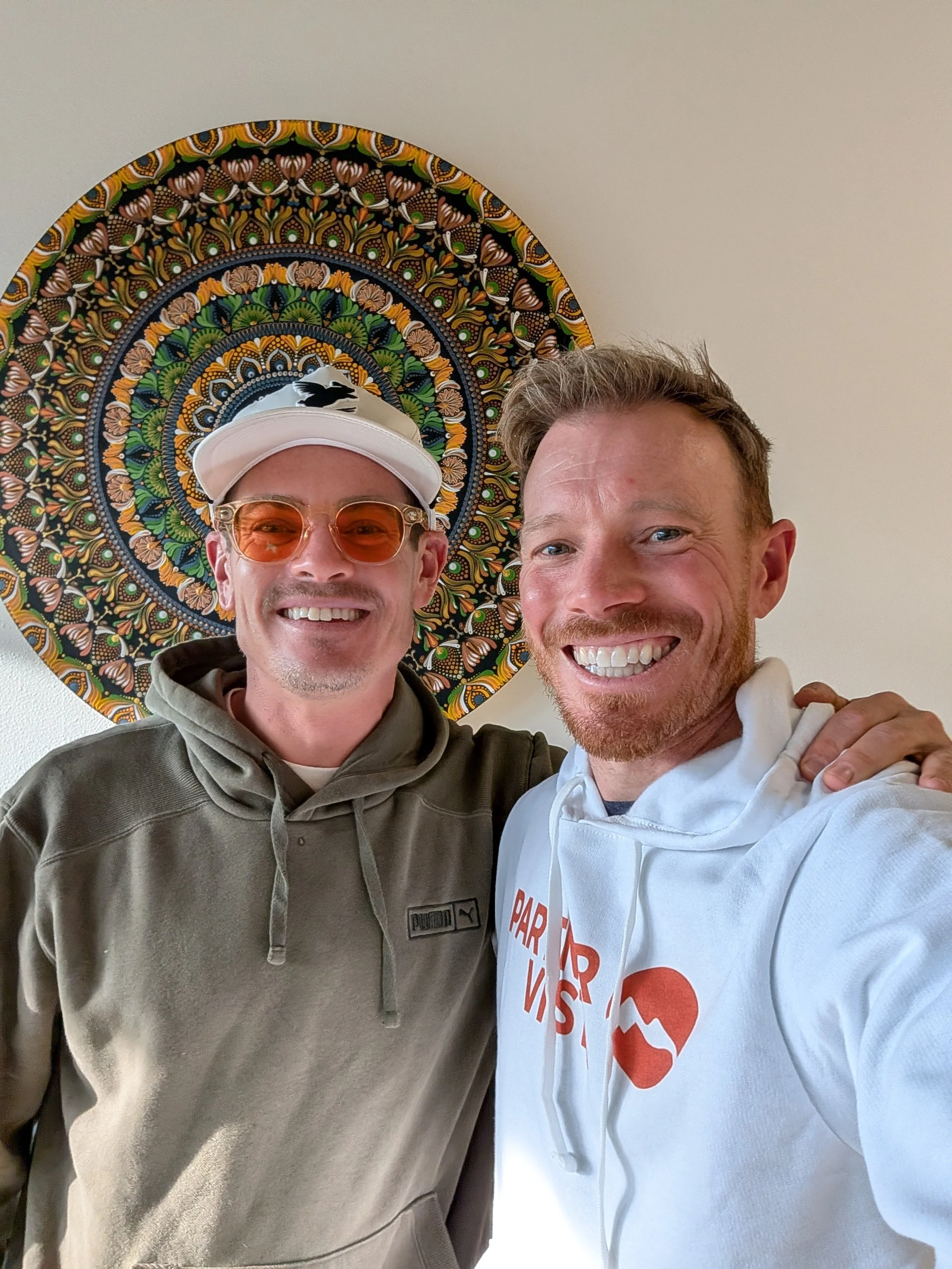
Alright, you ready to go? Let it rip. Awesome. Patty, here we are. Here we are. In the flesh. This is cool for so many reasons because first we're not like in a studio or a house or anything. at a, what would you call this? A smoothie juice shop? It's a juice bar. a juice bar in Golden, Colorado. In Golden, Colorado. And by the way, people might hear like smoothies in the background. Just bear with us. We just did yoga together. Yeah.
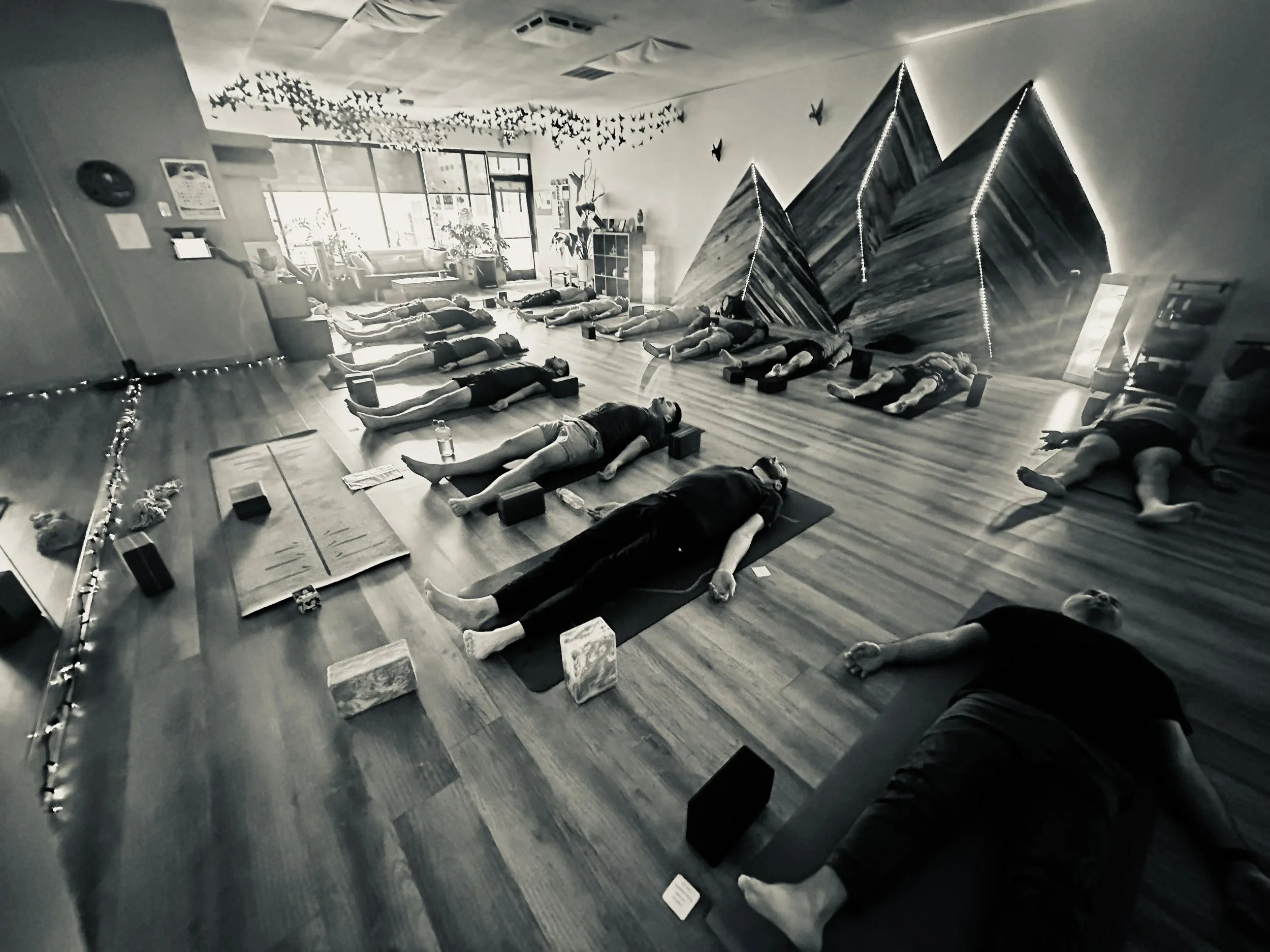
Let's start there. Let's talk about that. It was so rad to have you today. You came to Grounded Good Guys today, which was really awesome. Grounded Good Guys. I didn't know it was called that. Yeah. That's pretty cool. It's basically just a space for yetis to come and move. You know, like dudes that can't touch their toes and haven't been exposed. of popping and cracking I was hearing. Yes, there was a lot of like grunting and also a lot of like, I can't believe you had me do this today. But trust me, it's good for you. You like it. But you, it's funny, when you first invited me to it, I don't think I realized you were teaching it.
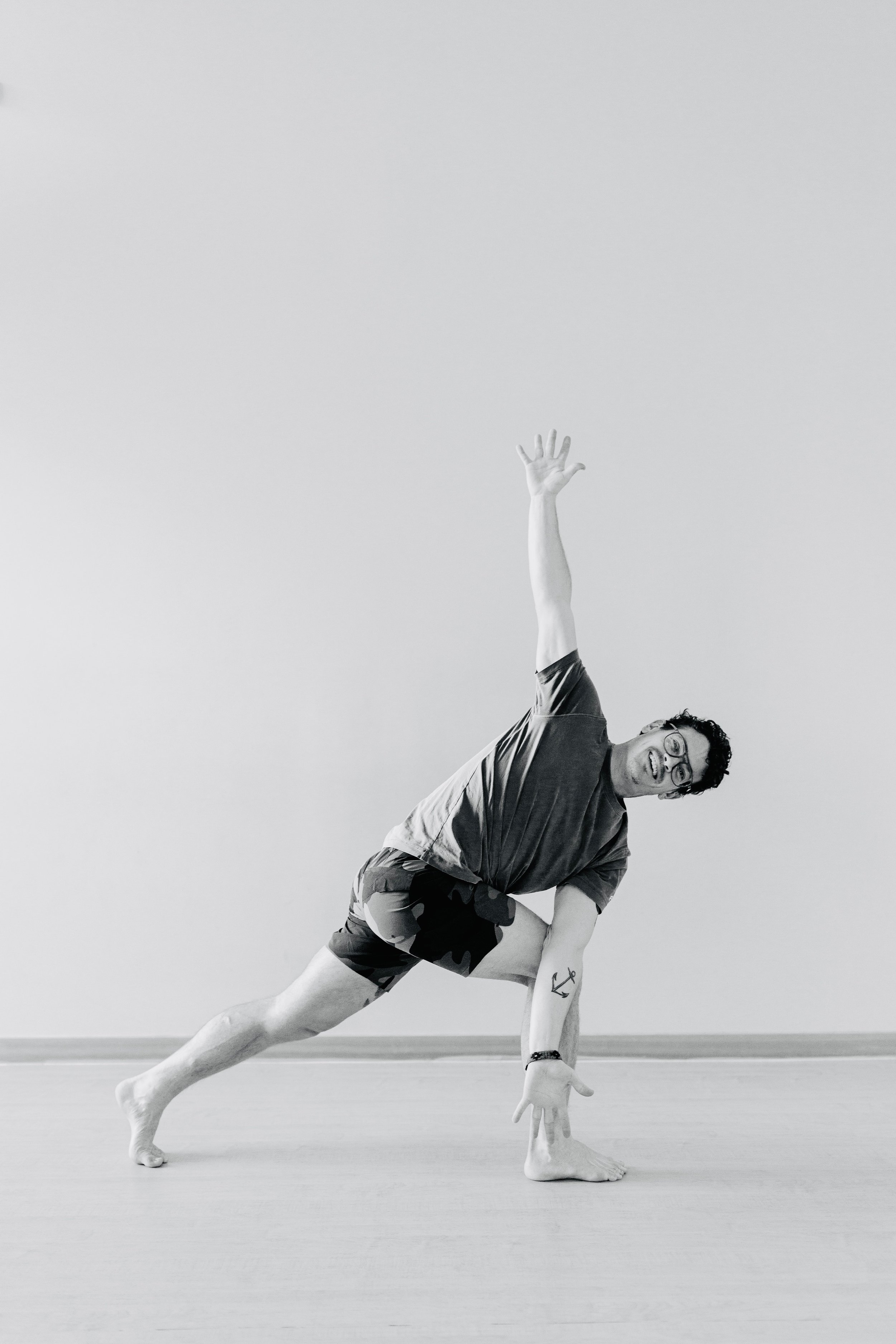
And so it was cool. I know like you're a yoga teacher and you were really good, man. That was awesome. Thanks, man. I really appreciate that. It was it's so great to have you in the space today. And like we're here to kind of talk about community. over the last 24 hours, for folks that don't know, there was a never go to market alone Denver meetup last night. So I got to see a little bit of the flavor that both Rick and Hondo have been building with the community and then also to invite you to my world, my new world, you know, or hybrid world, if you will.
to come move with a bunch of other dudes today in our relative hometown of Golden was awesome. Yeah, it's so interesting because we had a prep call and we're like, all right, what do we want to talk about? we kind of went down this, you're a partner marketer, but you're big in health and wellness. And so we got some ideas of like, let's talk about community, health and wellness, and how does that intersect with partner marketing. But then around that, we had the happy hour community last night. We had the yoga class for men today that you were teaching. So it's like,
we have these things that are actually happening around the discussion that we're having today, which is like just bringing it to life. Yeah. point of view and bringing it to real life and like out of the zoom. I'm sure a lot of the people that listen to this and for folks like yourself and me, I don't, I don't thrive behind a camera and thrive behind a zoom. So at the end of the day, there's like this Patrick shape cutout that gets blasted through the wall. Like I gotta go be with people. And after
Rick Currier (02:20.8)
a layoff last year, I realized like I can't do the at home thing. It was so wonderful for all it lasted. The flexibility, the at home, working in sweats, button down up top, so awesome. But the thing that I thrive on really is people. And it was a big wake up call, not only going through my yoga teacher training, but also as I started to seek other employment opportunities that I got to get back in people. I'm a
product of the rest of a restaurant family. I was raised in the restaurant at the age of like four washing dishes with my grandmother. No way. I made my first eight bucks making an apple turnover with like leftover pie crust and apples with my mom. But I was always the kid like I learned how to count being out of counter and dealing with people. So it's kind of just inherent in the DNA. And after so many years of being at home and on zoom and on a screen, it was like, I got to break that mold a little bit. And my life is totally done a total 180 now with
like one of the 14 jobs that I have between yoga teaching and lifeguarding and working at a rec center and then also working for the startup world and partnerships. It's a full experience now, but I really thrive on the people. So even getting to be together with you all last night, like talk and shop was just so great to rub elbows and not in like a high pressure environment, but just be humans together, you know? And I think that's probably like,
why we landed on the topic of community as a whole. Yeah, so let's go through that a little bit. So what were you doing before this transition? What was your full-time job? And I want to get into like, all right, imagine everything didn't lift right from there. There was probably a little challenge coming out of that before you kind of found your way, right? 100%. And a total challenge to the ego mostly. For those that don't know, Ricky and I got to know each other over about like two years ago through the relationship that you had with
Foundry at the time. And I was with a company called Acquia and I ran partner marketing and field marketing at that org. And I'd been with them for cumulative 12 years between two different stints. And like many, I experienced the layoff in December of last year. And I, at that time, could not fathom going back and trying to do the same job that I was doing. I don't know why, but I had to do something different. It's just kind of in my nature.
Rick Currier (04:35.662)
And I've had a 20 year relationship with yoga and I just thought, you know what? I'm going to go do something for me. I'm going to invest in me. I'm going to do this teaching. I'll take some part-time jobs just to kind of supplement and give myself a break, give myself some breathing room. And I realized not only in the process of teaching yoga that actually not only do I love this, I'm somewhat decent at this and it fills my cup up. You know, you got to see a little bit today where people can walk into a class and their shoulders are hunched and they're
there's like a cloud, you know, of like modern world or work or family or whatever entangled emotional mess they have coming into the space. And then when they leave lighter, brighter, smiling, like we had a bunch of dudes today that like stuck around and were laughing and chatting. It was so different than how they entered. Like I'm act, I actually love this and it's totally fed this inner purpose for me over the last six months since becoming a teacher. then seeing what sticks against the wall, you know, we pulled this ground to good guys together.
after just a couple of meetups in the park and we were like, I think there's something here and it's really meaningful for us to bring men together. And also over that transition, I just kept saying yes to everything. I would say yes to contract jobs. I would say yes to, you know, invitations for retreats, say yes to side hustles, you name it, just because you got to, we live in a material world. I am a material girl and you got to get the cash flowing sometimes. So it's been a really interesting last year, both from
layoff to now teaching part-time and then also being a fractional partner leader. So it's still kind of get to keep both feet in both sides of the camp. So let's talk a little bit more about that because I know I hear that term coming up a lot and more people are doing that. So what does that look like specifically for you? Yeah. So the fractional world was an effort for me to understand my boundaries and my needs. The last corporate experience that I had, they got all of me. I was, I bled blue.
I'm so into the culture. You I think we've all kind of had those experiences at younger stages in our life. You with Foundry, you with Aquia, and no disrespect to them, but I got out of that experience and I was like, whoa, what else do I have? I'd worked from home in a small town. I hadn't made community. I hadn't really made friends. And so that shift and that prioritization to people really helped me to get to this place where...
Rick Currier (06:52.842)
Now my relationship to the startup and the B2B world is very defined. You get the best of me for what you have of me. It's very defined in scope based on what you need and what I can offer. And I'm just so excited about the arrangement that I've had. It allows me to continue to fulfill this wellness and purposeful Dharma kind of side of my life. And it's also helped me to keep my toes in the water around.
AI. And so I'm like looking at the engineering of the human body from the yoga side, looking at engineering from AI and what people are doing. And I get to do it part time, you know, so as a company that is that is young and starting and raising funds like actual AI, I run their partner program and establishing their partner framework, establishing their partner program. It's very defined, I get to give my best to them around the scope of work that we've agreed to. And we don't really have creep.
You know, I mean, I think we all can remember like the nine to five experience where you have OKRs, you had a set of deliverables, but there's all these extras that come on. And I think fractional is kind of the future, especially when you think about AI. AI is making us 20 % more productive, 20 % more efficient, however you want to measure it. And I'm personally of the belief that when AI is freeing up space in your life, you should maintain that for a better life balance, for better wellness of yourself, because that means you're better for your family.
better for your community, better for the company that you work for. and fractional life has allowed me to do that. I feel like I've got a co-pilot that works alongside of me and, I get to test myself, new skills, new boundaries, new areas that I haven't been exposed to before. You ever think about your life if you've never been laid off, what does that look like today? I kind of don't want to, but I, I actually think they did me a favor in a lot of ways. That's what I was thinking. was.
You know, it's tough because sometimes the uncomfortable is forced on us to find a better path. know, and sometimes I was talking about this with someone the other day when you're in, think, I think it was you and I talking about on our prep call, actually, when you're in it, it's very uncomfortable and depressing, sad, I mean, all the things, right? But sometimes you really need that challenge to get to where you need to go. Yeah. Sometimes it's a wake up call and sometimes they make the tough decision because we couldn't. Yeah. Um, and I think everything happens for a reason. No regrets, no.
Rick Currier (09:07.073)
anger, no resentment. I was just so grateful to have that experience and to learn in the lessons. Like in class today, we kind of talked about contentment and contentment is being okay with what is and being okay with what isn't. It's not being joyful and happy all the time because that's just not possible in life. But sometimes we have to accept things that are a tough pill to swallow. Or sometimes those experiences can be total lessons or medicine in disguise for us. So I think it was a lesson for me. It was a wake up call to be like, there's more to life.
You know, we always hear from people at the finish line, 80, 90 years old that don't talk about work. I was talking with a guy at the pool today who was like, they never wished that they sent that other email or that they worked an extra hour, did another work trip. was the things that brought them joy or the family or the community or the things that were like cup filling. And you only realize until later on in life. So I personally viewed it as a gift, you know? Yeah. Yeah. No, I hear you. And the content stuff was interesting to me because so many people talked about
challenge as a part of being contentful, right? And I believe that too. mean, I think, you know, there is meaning that comes from work, but you know, within balance and everything's got to be within balance. so, you know, obviously what you're doing now, I think is having a positive impact because you've mentioned you can give it your all when you're on. Are there any things that formed from your corporate life that have really impacted today in a positive way, like things that you've learned or ways that you do things, but now you're not in a corporate world, but you learn from that and it's better.
because of it. hell yeah. mean, living in a small town, I think you can attest and even going on and starting something of your own. We learn so much through those bigger company experiences. I tell many that I feel like I got two MBAs through the process of the last 12 years in corporate, you know, from a case study perspective, from organization, from business relationships and partnerships, I've taken all of it and applied it to not only the wellness world, but also to my startup life. And I think you'd
probably agree some of those like those skills that you didn't you don't learn in college and you also don't learn in just in any old job like you're put through the fire you are challenged you are tested and then when you come out of it you're like okay I'm okay I can actually I can do this I can deliver a tough QBR or I can get in front of executives I can stand in front of a room doing a 60-minute vinyasa class or I can get in front of a board of directors and talk about like the OKRs the deliverables and where the programs at and
Rick Currier (11:32.676)
I think that's kind of a beautiful thing when we are challenged, when we are tested. There's a guy in yoga named Iyengar that says, pose begins when your brain says, get out of it. And like we live in America where it's convenience and always on and all the things to soften us. You want to grab a drink to soften, you want to do something else to soften and to numb. It's so easy to do that. And I think actually it's where
It's in that challenge, that space there, that that's where real growth happens. know, when your back is up against the wall and you realize, okay, I can do this. My back's been against the wall before. I've had tough challenges. I am resilient as fuck. Let's go. I can do this. And so I think challenge is healthy. I think often in our society in America and with corporate in particular, we want to soften so much from those experiences. And it's weird that yoga is not hard. Like it's not, and I don't mean not hard. It's not like...
football, crashing helmets together. It's challenging in a different place because it's mostly a battle against the mind. And the minute we have the opportunity, hello, the minute we have the opportunity to kind of push ourselves into those uncomfortable spaces, that's when we grow a little bit more and we step more into ourselves. Yeah, so let me ask you this. I know you're very involved in the community locally, and then you're doing the fractional job. And last night we had a bringing together partner marketers.
What does community mean to you from a professional standpoint? So I'd love to hear your perspective on, know, we hear so much about the balance of personal life versus work life and keeping them separate. How important is community on the work side for you? I have to say the first taste of community that I had was actually in the professional setting. Like, not for nothing, college experience, high school experience, the town I grew up in.
had a flavor of community, but I worked at Acquia and they were an open source. They are an open source technology powered by the Drupal community, hundreds, hundreds of thousands of coders of developers of agency leaders, around the world that are keeping the websites for white house, for, Pfizer, for big brands, you name it, that are kept up and running. And when I first got exposed to that community, it through events like DrupalCon and I realized, these are, these are kind of my people.
Rick Currier (13:46.501)
You know, there was, there was an element of realness that shows up where community doesn't try to get something from you. It's the best parts of you that come together that accept you for who you are. Drupal community was like purple hair. It's me as a gay man. There were LGBT groups. There were all sorts of diverse gatherings that just was focused around acceptance. And not only in that community, but also the first partner community that I had a hand in building and had a relationship with.
you got to see all of these little tricks and tactics that bring people together almost forcing uncomfortable, like, uncomfort in people. Joe Wikes is an old mentor of mine and he taught me the world of partnerships. And he would oftentimes have these half moon tables for our partner summits, making sure that people were tight and next to each other, because he really felt that if you could make them uncomfortable and put them next to each other, there would be a little bit more engagement. So you weren't just talking to an empty room.
And, he also educated me on Chatham house rules, know, like what state, what we say here stays here. This is a safe space. And when you actually create that, think you guys were talking about this last night with your webinar and even just with the round table, when we can be vulnerable, when we can show up under a set of rules and a common set of goals, people can realize, this isn't competitive. I mean, we saw it even in the group with men today that like, can be vulnerable to move and stretch and be uncomfortable in front of.
other men or do something you're not great at, and yet we do it anyways. And I just love that truth. I love that share in the vulnerability that comes through, whether it's the professional or personal setting. And I think communities matter. There's online communities that fill certain niches, but it's these in-person communities, these micro communities, the neighborhood you live in, the group of people that come together under common bonds and common interests. I mean, they attribute community now to...
like a leading life indicator and a leading indicator of longevity. We've heard that from like the Blue Zones. Now all the way through, it's not just about the food they eat, it's also about the community they gather. That's what helps bolster us. do you think this goes? What does the future look like for community? mean, obviously in persons, as we get more into the digital world, it sounds like in person is still a crucial part of that, but you're forming your own community with the men's yoga. You're part of other community projects at home, obviously professional.
Rick Currier (16:03.024)
What does the future of all this look like from your perspective? I think that in person becomes even more important. Like digital is of course on the rise. has been. AI has been on the rise. There's mistrust that comes along with that. People develop trust through community. They develop resilience. They develop bonds and things that make them feel okay. And so like as humans, as social creatures,
I think there's a big wake-up call happening around the digital communities, around the role of Facebook and what that's done for isolation. Half the work that we're doing for the men today is because of the fact that we feel like men have kind of lost the plot line. You we don't have a common enemy, and yet people resort to the common enemy online or in chat groups or things like that. So I think that there is an impetus towards kindness. I think there is an impetus towards connection. I think there is a drive towards bringing more people together around core topics like this and things that bond them together because...
The world is kind of dark and scary, and I think there's a lot of folks looking around saying, how do I exist in this? And whether community can be formed in so many different ways, sports, family, kids, common interests, hobbies, political, know, but I think it forces us to commit and to give a part of something that is bigger than us for something that is bigger than us. And whether you take that in the religious sense, the spirit sense, or the community sense, I do generally feel that people are on
the hunt for something that's bigger than them. I agree. I think it's innate in all of us and you know, we have different outlets and where we seek it and where we find it. I want to ask you a little bit about the vulnerable stuff because you brought that up and I think that's a big key to it. From a leadership perspective, yoga teacher at work, how do you lead with vulnerability but still maintain authority? How do you reconcile them both? I think it is reconciliation. Today we talked a little bit about acceptance of all of our parts.
And it's kind of unironic that in a few weeks I'm gonna start doing shadow work for leaders, not only for myself as a course, but also to become trained to facilitate that. And I think that being a leader, a true leader, is accepting and being content with what is and what is not. It is accepting all parts of yourself, not just the leadership ego-driven aspect, but also understanding that.
Rick Currier (18:17.403)
there's other parts of you that come through. And the more that we accept them, the more that we demonstrate to others what it's like to own even our worst parts or the parts that we deem shameful or the ones that we tuck away, the more we accept them, the more that we allow other people to accept themselves. And I think it's important as leaders to demonstrate, have soft spots, or I have weaknesses, or I showed up as a real human today and that empowers other. It gives people permission to show up as themselves when
you demonstrate vulnerability. I Brene Brown is obviously like the friggin leader on vulnerability. If you haven't watched that Ted Talk, anybody, it is so powerful in terms of what it's like to soften and to trust and to examine the things that you may not be comfortable with, but this is where the growth happens. And it gives permission to other people. I think that's really important.
And I think that leaders today, like we have a responsibility whether you are leading a company or leading a group or leading a class or leading a podcast in a community We owe it to people to be real, you know, they can sniff out fake pretty easily That's so key right there, you know, I it's it's authenticity. That's is in a world of AI I think that's that's becoming so powerful and
can't be authentic if you're not being real and you can't be real if you're not being vulnerable. Yeah. And that's why I kind of love the fact that you invited me on and it was like not to talk about partner marketing per se. It was like, can we talk about the human side? Can we talk about like what it's like to show up and be real in all of these settings that challenge us, that push our buttons? I mean, you can get your button pushed in traffic. You can get your button pushed in a meeting. But it's when we show others what possible, we don't become those emotions. We don't become the things that
make us tense up and hold back because that creates bad stuff. creates stuckness, disease, stiff shoulders. We carry so much in our body, you know? And so I think that it kind of feeds that in a way. If we aren't able to show up and be real, it creates these little blockages. Do you ever feel that? All the time. Especially because I have a bad back. That plus the stress. just like, my wife's like, will you stand up straight? No, man, I hear you. I think, you know, there's this...
Rick Currier (20:27.835)
Conception I've been battling like how to think about this how to phrase it But you know that there's your work life and your personal life We got to keep them separate, but I think they're so interconnected because I mean frankly we spend so much time at work and you know sometimes we go through seasons and sometimes things are out of balance we need new jobs, but You know how how you live your personal life is gonna impact your work life and vice versa what you bring home from work is gonna impact your personal life you know and so
Now, I'm a big believer in you gotta find passion in what you do and community is big part of that. But I wanna ask you, cause you've found this balance now, I think for you, where you're doing the fractional leader stuff, commercially speaking to earn a living, but you also have all these other projects that you're passionate about and that's a great balance. What advice do you have for people that maybe they're working a full-time job and they're missing that opportunity to have something they're passionate about or they're unhappy at work, but they still need a full-time job.
You know, what do you say to those folks? It's so true. First and foremost, if you know your passion, go figure it out. Like passion, if you can follow it, will eventually support you in a way that is needed for you to live your life. If you don't know your passion, get curious, find out what it is that you are passionate about. And I think that's where most people exist. At least when I have classes are now in front of the general public more. Elizabeth Gilbert, who wrote Eat, Pray, Love, and then had this whole series of writing around,
creative authenticity and creative power. can't remember the name of the book right now. Maybe we can link it in the chat. it was really all around finding the things that you're creative about and using those as bread come trails to find your way to the thing that does give you meaning, to find your way to passion and to purpose. I would say also,
If you are stuck in a full-time job, make sure that you are financially stable enough that you can start to support yourself or you can start to investigate some of these things. Debt is like the number one killer of creativity. And we live in a pretty consumeristic society right now, like trillions of dollars of credit card debt. So get your finances together, people. Dave Ramsey, debt snowball. That's where it's at. I actually, Dave Ramsey sidebar changed my life years ago. Dude, save. Really? Yes. I like put the.
Rick Currier (22:39.313)
put the religious stuff aside and he's not really great to women, I find. However, very incredibly intelligent about like freeing up parts of your life so you don't have to have that financial stress. It changed me. like I, in my 20s, my income kept going up as I got better and better at sales. And I realized at one point my income had doubled after a couple of years and I was still just as broke. it was Dave Ramsey helped me just understand the flip of the switch. it wasn't an income problem, it was a spending problem.
Yeah. And I just had to re rethink everything. And that's allowed me to your point, more financial freedom to figure out how to pursue some other things that I was passionate about. And one thing I want to add another book to yours is, it's not the art of war. It's the war of art. It's the same guy that wrote, the legend of Bagger Vance. And I can't remember his name, but he talks a lot about resistance in our lives that keep us from doing what we really want to do. And that resistance can come in a variety of different ways from just thoughts in your head to people in your lives. All these could be debt.
Right. And, for me, I knew what I was passionate about, but I kept the comfort and safety of the corporate life because of all this resistance of doubt of I could actually go out and do this. after reading that book, it really pushed me to figure out. And I had to get the push from the other side, too. There were some things that happened at work that, you know, like you that made my life really uncomfortable that I needed. But once I got past that resistance, you know, and I'm like, I'm going to do this all in and I'm going to
figure out how to make it work. I'm passionate about it. I haven't figured it out yet, but I'm at least going in that direction. Totally. And if anything, I hear fear. And I experienced that as well, the comfort in that space and also the reliance on one paycheck, one job, and just how much is tied up in that. Same thing with relationships. There's so much that's being talked about now from a relationship perspective that maybe we've put too much pressure on our partners to be our everything, our best friend, our lover, our co-parent, our...
Co-provider like maybe there's some other areas that we can like take the pressure off and I feel the same way about employment at end of the day and If anything, there's one thing that I've learned. I have a consistent fear voice. I have a consistent doubt voice that lives within me I'm just now starting to turn those into into fuel. Yeah, because I think those are fuel for creativity I sang a lot as a as a kid and now I'm finding like
Rick Currier (24:59.472)
I can actually tap into this and release this and come from a really powerful space when I acknowledge fear, when I don't judge it, when I accept it, I see what it's trying to tell me. And I'm like, okay, there's a there, there, what's behind the fear. And usually it's gonna be different for every person, but that fear can be fuel. So how do you do it? Do you try to rationalize, like call this fear what it is and talk about it to yourself? Like what's your technique of turning that fear into fuel?
I think it takes 20 years. takes a lot of therapy and it takes, no, it's not an overnight thing to like figure out, that's fear talking and then what's behind it. But I think for the most part, it's just get curious about what it like. I teach yoga, Nidra and yoga Nidra is yogic sleep and it's all around becoming the noticer. The noticer doesn't judge the notice or just looks at things. So it's like, how do we notice the fear? How do we notice where it sits in our body? Like there's this whole world of somatics fear might sit within the belly for some. It might fit in the back of the calves for others. It doesn't.
You never know it, but it's like up to you to investigate. Maybe that's through yoga. Maybe that's through breath work. Maybe that's through therapy. Maybe that's through like guided plant medicine. Who the heck knows what it is, but it is your physical body. It is your journey on this. And it's also your responsibility to figure out. And so I think for anyone that's got that like little nagging voice, it's there for a reason. You know, we say certain words like, can I speak from the heart for a second? Or like my gut instinct is telling me.
Here in the States, we love to say like, I feel like we just, love our brains. In America, we love a strategic brain. We love being cerebral. Everything is like, I got a deck for my vacation. You know, like we give so much power to this brain, but in other philosophies and other cultures, this is a brain, our heart, our gut is also a brain. Our gut is kind of where we digest information.
And so I think it's learning how to trust those things as also being equal partners in this journey through life. Learning that like your heart's online for a reason. When you love somebody or when you feel sadness and when you feel grief, you know, or when your gut comes through and that little voice is chiming through, listen to it. And it's going to be different for every person, but it's through that listening and through the development of that muscle that like, no, I actually, I do trust myself. I've got the scars to prove it.
Rick Currier (27:11.634)
I've got the battles, I've got the experience. Like I've seen some things. Okay, now it's time to apply it so I don't repeat the same mistakes. You know what I mean? No, I know. And it's funny how you can oscillate back and forth between the two. Cause I, you know, when I decided to quit my, my comfortable job that it was doing well and had a very solid paycheck to just go out and start a company and have no paycheck. And you know, when I have a young kids ballsy, yeah, I would, I would go to bed so excited and I would just wake up just terrified. What am I doing?
you know, and I would just oscillate back and forth. you know, I, you know, to your point, I would, I would try to trust, I'd rationalize it, you know, God bless my wife. talked to her and she'd reassure me and I had still had that passion and I had to just get past that resistance. Like this is what we're doing. you one of those at 3am wake up? my God. There were, were many nights I just did not sleep. Especially when the business started, like I I got a lot to do. And I, that's my biggest problem is, and I can't read business books at night because I just, my
brain just got to it off at some point. Yeah. Ram Dass is a teacher and he likes to say that the mind is a terrible master but an excellent servant. And it's so true because just like data, our brain can tell us whatever story we want. And our brain when it's given the keys is like, I'm gonna keep you alive. You know, and it it's it thinks it's doing the right thing for us. But sometimes I just want to take the key away. And sometimes I we have to turn it off. So that's where like
meditation comes in, that's where mindfulness comes in, that's where the not judgment of those thoughts like, my brain can sometimes be like this well-worn track down into worst case thinking. I think we can all relate to that. What's the worst thing that's gonna happen? I got a presentation coming up, I got a board meeting, I've got a big meeting and we start to think about and anticipate.
what's going to come up. Yeah. And it's usually around like the survival brain thinking that the meeting is actually the tiger at the front of the cave. But the reality is like we can over time plant new seeds in our brain that says, what's the best that could happen? I could sit here and ruminate and manifest this awful outcome. Or over time I can cultivate a sense of positivity and a sense of belief that like, no, actually I trust that I'm doing and that there's purpose and lesson to this. And even if I fail, it will still be.
Rick Currier (29:29.202)
success. There will still be a lesson in this. Is that just a cognitive exercise from your standpoint? And the reason I'm asking selfishly because I'm one of those people that would just run through every worst case scenario in my head, Uber and you are not alone. And I just do that subconsciously without even trying. And I'm just like, and I'll get five minutes in this book. What am I doing right now? You know, so do you just, is it just as simple as like just being aware that it's happening, shutting off, and then just trying to positively think about the alternative outcome? I don't know that any of it is really that simple.
I think it takes a lot of work and there is a little bit of a blessing. I mean, I don't have kids. I've got a pretty free life in terms of how I spend my time. And a lot of that time has been spent on personal growth, therapy, retreats, doing yoga. Yoga allows me to go inward. I have to do those things. I have to move my body every day. I have to talk. I have to share. have to write and reflect. If, if anyone out there is looking for like a great exercise to
start to examine those thoughts on morning exercise of writing every day. There's a book out there called The Artist's Way, which is just writing without abandon for 20 minutes, no judgment, just letting it go as it flow. And if you don't know what to write, then you just write, I don't know what to write for 20 minutes. But eventually shit comes out. And it's kind of interesting. I used to wake up really familiar with melancholy, know, anticipating worst or a sense of dread. It's like, what is that? This should be a fresh start, a fresh day.
And it's through writing, it's through the work, the therapy, the plant medicines, the ceremony over the last couple of years that I've been able to unpack things that just take me back to being a child, you know, where we first learned some of these early worst case thinking, you know, inside all of us, there's a, have you ever gone to Burning Man? you now? might never be. would listen. I'll do anything once I hear that. I hear that VCs are assembling at Burning Man.
to the nth degree. I heard it's not the same though because of that. Yeah. So I feel like I missed the boat. I don't know. I don't know. Maybe it's a little too commercialized now. But there was an artist a couple years ago that put up this installation and it was two adults back to back, raw iron, you know, this woman with her head in her hands and this guy like hands up to the sky going and inside were these like two giant plastic toddlers just reaching out trying to touch.
Rick Currier (31:44.564)
I'll show you the picture afterwards. And it just reminded me that inside all of us is a little fucking kid. Sorry, am I allowed to swear? Yeah. I don't know. Sorry if we have to edit that, but we don't. Inside all of us grown ass men and grown ass women are little toddlers that are still dealing with stuff when we were told we're not good enough or that one reaction from a parent like it lives embedded in us. And it's kind of up to all of us to resurrect those things and understand what am I working with here?
I think for the rest of my life, I will probably be working with a sensation of either not enoughness and having to like rewire that part of my brain or who knows it's going to be different for every person. So I don't think it's really that simple, but I do think it's, it is work, you know, it is one foot after another. And we do it not only for our purpose and to have better outcomes and better lives and to find joy, but
also for the people that are around us, for our families. You said something in yoga today, I think really lends itself to this conversation right now. And it's something along the lines of we don't do, man, I think you said we don't do yoga to become perfect. We do yoga to practice or something along the lines of that. to your point right now, like I think I, you know, if I'm thinking about myself, I need to practice. I need to practice it. need to be practiced thinking positively, practice being mindful. mean, hell, I mean, I've always wanted to do meditation. I just need to actually practice doing it every day.
You know, and I think that's just the start. Practice it and practice just kind of takes the pressure off. It's like we have this guy's group and you can tell that just men in general want to do it right. You know, you show up to any class. I don't want to generalize, but I'll use myself. It's the example. I want to look great in the shape. I want to look and do what the shape is supposed to do. But the reality is it takes practice to get there. It takes practice to get better at anything. And mindfulness meditation is one other example.
I'm not great at it either, but I think it's just through practice that we allow ourselves a sense of play that we get robbed as we get older. We were talking about your kids today. You got an eight year old, think. Yeah. She's my oldest. She's your oldest. there's, and I'm sure you can see it right with your kids that like haven't lost that, that, or they haven't gained that adult sense of realism and having to perform and having to do and to achieve.
Rick Currier (34:02.452)
It's just play. It's a lot of play. I kind of you practice and play is kind of the same thing. Yeah. They're like, we're all just figuring it out. No one's got a manual. Yeah. Not even in partner marketing. Do people have them? I mean, yeah, there's, guides and books out there, but a lot of them, they're full of shit. You know, you tech to any practitioner and there's a different reality to it. Yeah. Um, and so I love that. I love what you just shared that like practice is just so important. I just turned 39 and someone said to me before every life before 40 is all practice.
Then was like, shit, did I not practice enough? Have I not bumped up enough against walls or fucked up enough or make big enough mistakes? The reality is we have our whole life. We have our whole life to bump up against walls and figure out what works for us and not necessarily what works for others and apply it to us. A little bit more freedom. So let me ask you this, just kind of wrap up here. Obviously, partner marketers listen to this show based on everything we've talked about today. Like what advice do you have for them? Partner marketers.
I've had a long legacy of being a partner marketer and I'm so proud to be a part of the community and also to stretch my skills into some other areas. I think in general, I see a lot of folks that are, whether they are a partner marketer or in a corporate space that have that existence within that world and are maybe seeking for things that are a little bigger and out there or bigger than them. Like, what is all this for?
going to be in this flesh bag for 80 something years. And it's not really partner marketing advice, but maybe it's more life advice just to go start to listen to that voice and get curious about the things that make them whole so that whether they are in a full time or in a fractional role that they can show up as their best self that they've got joy that they've got things that they like to recreate, stay healthy, stay well so that they can show up for their job and do their best and not form defensiveness because we all know in sales and marketing like they're
can be conflict between the two of them. And so you have to show up as kind of your best self and someone that is self-actualized and growing. So I think it's just, it's really around the curiosity and listening to yourself, like trust yourself. We often seek validation either from others or from other leaders. And half the time I talked to partner marketers that have been doing this for twice as long as me and they've got it. They just have to like trust and know what's inside of them.
Rick Currier (36:23.182)
And the landscape's changing so much and the market is out there for jobs. And so if you're not stoked about your job, but you still like what you do, I'd encourage maybe a sense of gratitude, like a gratitude practice or a contentment practice to find out, you know what, maybe I've been examining the negative parts a little bit too much. There's also some good stuff here and I can pay attention to the good stuff as well. I can bolster myself with some good and fill my cup up that way. So keep your cup fills, keep your cup.
filled kids. That's the one edit you'll probably have to make today. No edits, man. This been great. There's a lot of good advice. Anything you want to plug? Good juice, good conversation. I'm really proud to be a member of Partner Vista and getting just to stay in the community and stay in the world and help out wherever I can. I'm just, no plugs needed. No plugs needed. I'm sure we'll see each other on the road a little bit. For anyone that is a
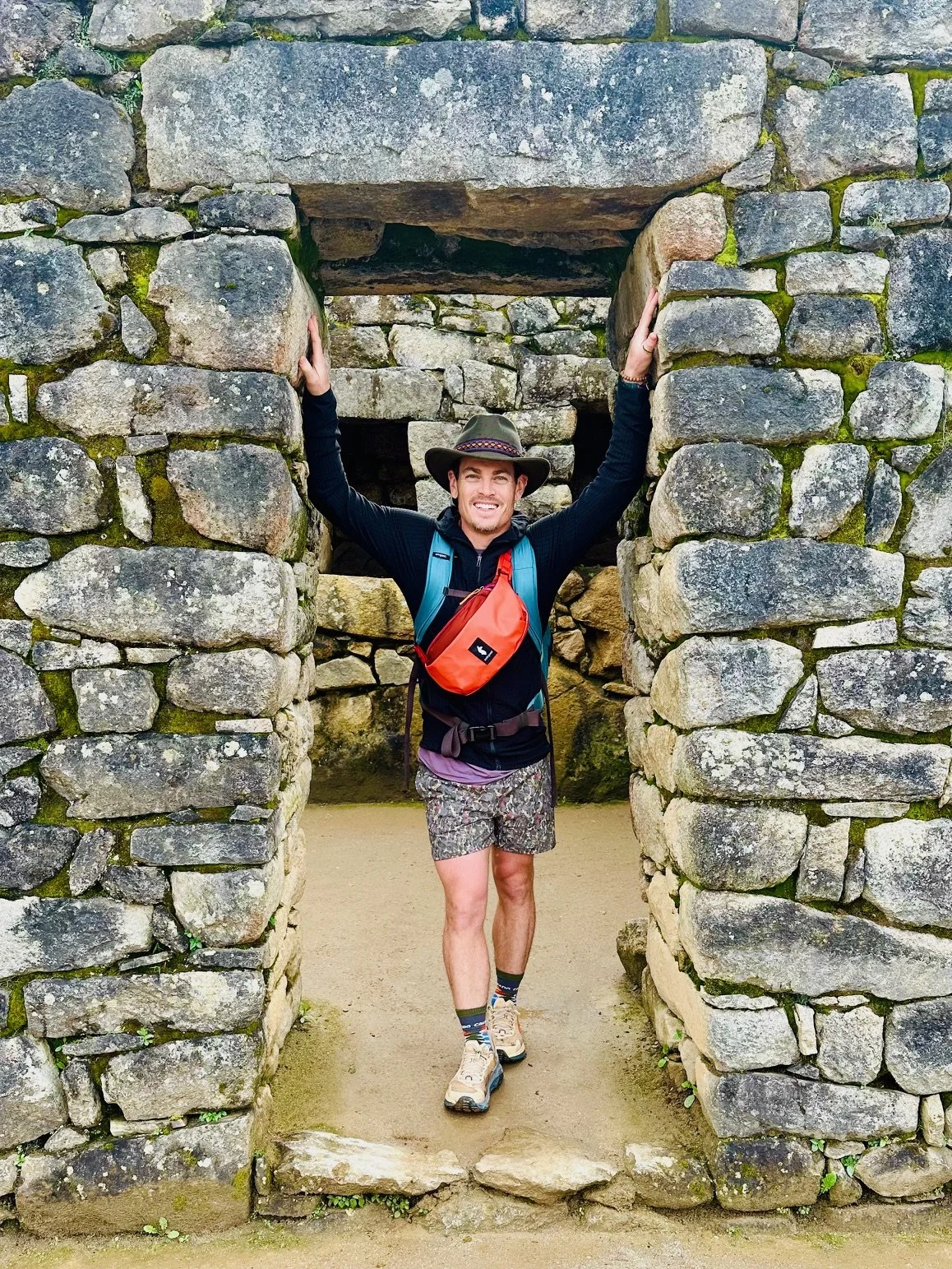
Maybe interested more in the actual AI, in the AI space and agentic development, kind of the future of language models where language models are going. Check out actualai.com or actual.ai or send a note on LinkedIn. I'm on Instagram on Pakistash. If you want to follow it in my yoga journeys, I'm actually facilitating at my first retreat next spring in Peru, heading back there. yeah, it's a, it's my, I went last year as a Karma Yogi and
This year I get to go back and actually like teach and facilitate at it. So if anyone's making, looking to make a trip to the sacred Valley in Peru, hit me up. If you've got any questions, retreats have definitely helped me to stay buoyant throughout the turbulent market, turbulent politics, and just, you know, craziness of the world. So I think it's, this has been a really great conversation just to show people the foundation that's possible to do whatever it is that you want to do. And a lot that just comes with.
making time to practice for yourself, figure out what you're passionate about, and building a community around you to support you. So I appreciate you sharing, and we'll link to all that stuff on the show notes for people too. Cool. Well said, Ricky. Thanks for having me on This was blast. thanks for the juice too. Sangajuse in Golden, Colorado. If you're out here for a Red Rock show, come hit us up. Thanks, Patty. All right. Thanks, guys. See you.