Click to Read Full Transcript
Ricky Currier (00:01.668)
All right, give me your name.
Mercedes Villanueva (00:03.554)
Mercedes Villanueva.
Ricky Currier (00:05.87)
Mellanueva, okay, I got it. All right, I'm gonna pause and then I'll just jump right in. Let me close, I got a couple other tabs open, so I'm just gonna close all of these.
Ricky Currier (00:19.106)
Okay. Perfect.
Ricky Currier (00:23.809)
Are you good to go?
Mercedes Villanueva (00:25.592)
Yep, whatever happens is the plan.
Ricky Currier (00:28.524)
Yeah, I love it. All right.
Oops, sorry, I actually just lost something.
Ricky Currier (00:41.516)
Okay, perfect. I'll pause and then we'll go.
Hey Mercedes, how you doing?
Mercedes Villanueva (00:48.43)
I'm doing great, Rick. Great to see you again.
Ricky Currier (00:50.934)
Yeah, I feel like we're both looking good after a little vacation. So it's nice to see you again and get back to work and talk about what you're doing at Quest.
Mercedes Villanueva (01:00.558)
Absolutely so much to talk about so I don't have enough time.
Ricky Currier (01:05.485)
Well, let's just start with who you are. What do you do? You know, where do you come from?
Mercedes Villanueva (01:10.862)
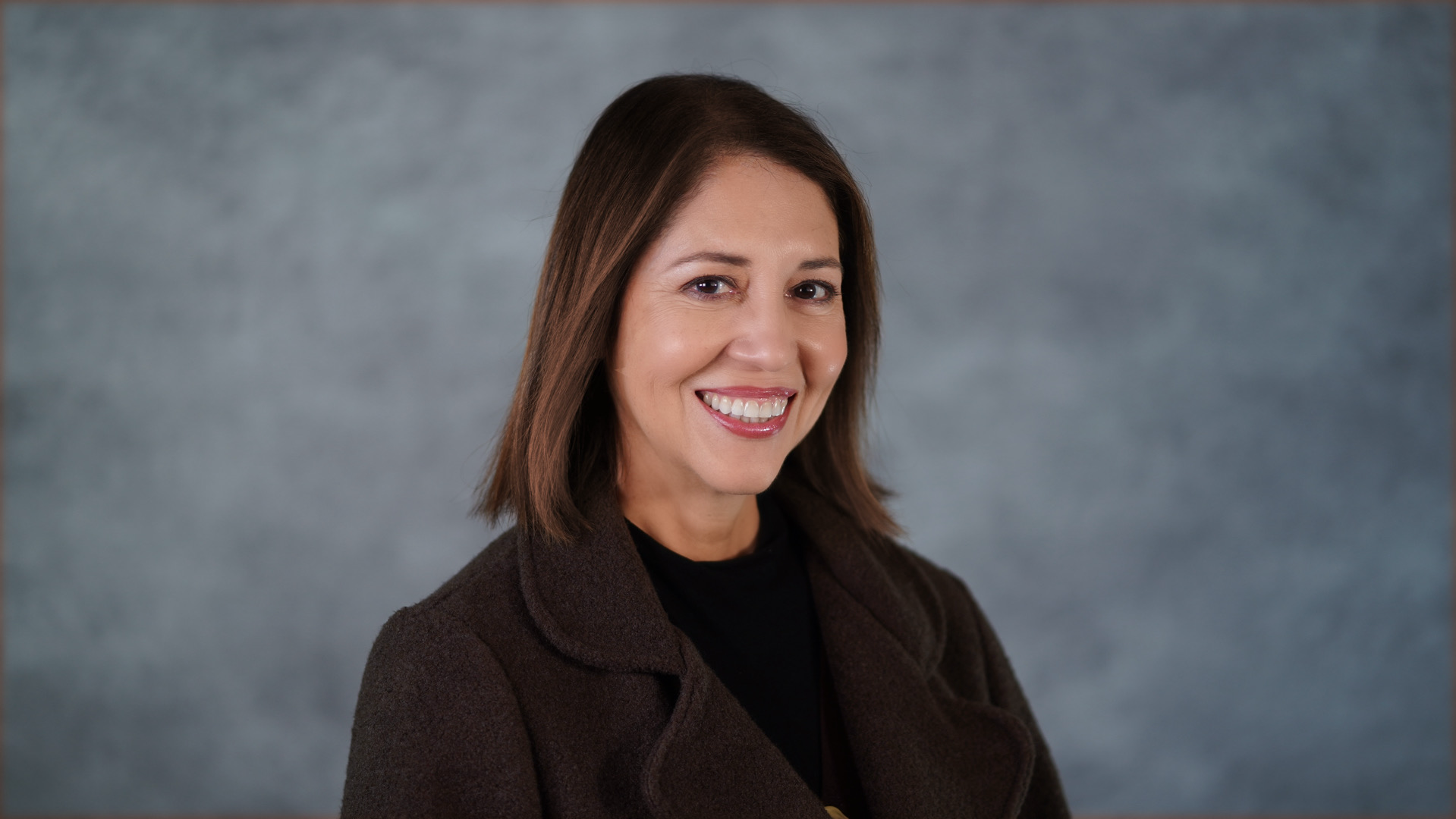
Okay, so there's a little bit of everything in that answer. once again, my name is Mercedes and I currently lead the global partner marketing function at Quest Software. I am from Venezuela originally. I came to the US when I was 15 years old. So I finished my high school here and went to school, college and all the good things. And I have spent my entire career in the marketing discipline.
and specifically in channels. So in my background, have my journey with Cisco systems. spent a couple of decades there, then I moved on to Okta and I am now with Quest Software all in the channel, all in marketing. So this is why I'm so delighted to speak with you today. This speaks to my heart for sure.
Ricky Currier (01:58.436)
I love it, especially as someone who's come up in the channel and wow, I coming over from Venezuela at 15, I mean that, I gotta just ask you, like what was that like as someone in high school? I mean, like look, I'll frame it like this. I moved from California to Georgia when I was 16 and I thought that was a culture shock. So what was it like for you at 15?
Mercedes Villanueva (02:19.16)
Well, I have grown up knowing that we eventually will move to the United States. My dad did all his schooling here. He actually got appointed to West Point. Then circumstances in life brought him back to Venezuela. But coincidentally, he met my mom there who had had her own journey in Canada. And so growing up, I always knew I'm an only child. And that was the conversation in my household, right? That when I finished high school, we were going to move to the States. And then things...
accelerated a little bit. My dad was able to, he's had a request at residency that took 10 years when we lived there. And then once it was granted, then we prepared to come and it was a little bit earlier than we anticipated. So I had not finished high school. So I finished high school here and it was literally, I was transplanted from an environment where I'm speaking a different language. Life is completely different.
and I was inserted right into the swing of things here. Didn't speak the language, I was sink or swim, and I went straight from being a sophomore to being a senior in high school. So not only did I have all those elements to contend with, but also, you know, there was an age difference. I was 15, and these girls were driving, they were, you know, 18 and all that, and the conversation in my house was, she should take the bus, doesn't speak the language yet, and all this stuff, and...
Long short story or short story to get to the point, there's a lot of opportunities in there to quickly adapt and sink or swim and just embrace whatever comes and whatever happens is the plan and just kind of go with the flow. And I think that built a lot of skills in me to just be up for whatever and just know that things are always going to turn out okay in the end.
Ricky Currier (04:10.212)
Yeah, I mean, I imagine where we're going to get to today with some of these topics, how much of what you've experienced early in your life has probably come to play for you in your career. tell me a little bit about what you're doing now at Quest Software.
Mercedes Villanueva (04:25.582)
Absolutely, so I'm head of global partner marketing and it's a wonderful role to be in, especially because I joined the company to help build the function. And I bring with me, my husband would call it my suitcase of ideas. It's kind of like, know, settle in, I have a suitcase full of ideas. But it's been a wonderful opportunity to really get quickly into execution and to drive innovation.
in getting involved in something that is really going to benefit the partner ecosystem at Quest. it's really what excites me the most is that, as we all know, it's a growth engine, right? The title of your series says it all. Don't go to market alone. You need a partner ecosystem to do it. And being behind the scenes driving that growth engine from a marketing perspective is super, super exciting. So we are the...
I would say we're at the early stages in building the function and we are closing gaps, ensuring that the skill set is in place and that we build a foundational framework for our partners to run, especially where we are with AI and all those things.
Ricky Currier (05:36.664)
Now, I love to dig into that because I think so many people out there are either in the middle of a transformation or they're being brought in to bring transformation. So what did that look like for you? Were you walking into a blank slate where you could bring in your suitcase of ideas and build or were there already things in motion and you're having to sail the boat and build the boat at the same time? So what did it look like for you coming into this journey and building it from the ground up?
Mercedes Villanueva (06:04.014)
So it's a little bit of everything. I could not have asked for better timing to join the company. I joined right in the middle of a massive rebrand and the timing was absolutely perfect. The company has moved from being a very long standing software company that everybody has known mostly for its migration practice and just really a very large portfolio products moving to more of a solution based.
simple two platforms and really defining what it is that we do and how we bring value to the market. And in the midst of that, I joined. So we were rebranding a company. It's not just rebranding and putting makeup on a logo. It really is transformation from the core, everything. So engagement models, in some cases, personnel.
Really, everything, including our partner program. Everything is being relaunched, revamped, and it's exciting to be in that kind of motion. There's a lot of new talent in the organization and nothing is a bad idea. So it's a lot of fun to come into a place where you can ideate and innovate and try something quickly. If it works, fantastic. Let's iterate. If it doesn't work, let's pivot quickly and let's rethinking, rethink it. So I think it's...
It's an incredible time to join. If you're to join in drag transformation, joining like that when everybody around you is going through the same thing, it's really the way to do it.
Ricky Currier (07:42.158)
So for someone who jumps into something like that, what advice do you have in terms of setting priorities? know, thinking about there's probably endless things to do, but how do you set those top priorities? And if you're comfortable, what have been some of your top priorities in this journey in maybe the first 90 days?
Mercedes Villanueva (07:59.47)
That's a great question. As tempting as it may seem to immediately start jumping in and doing really fancy and complex things, I think that evaluating and assessing where you are and where you can drive the most value is imperative. And sometimes that means focusing on the top three things. Like what are the biggest gaps that we have to solve for? But what's gonna drive the most impact with the investment of time?
resources, budget, and all of those things. So the very first thing I did, was just like most people would do, right? You parachute in and you land and then you're assessing just to see what's going on. So I did a lot of discovery, but quick discovery. I think that's the difference. Not spending a lot of time in trying to understand something that's in the midst of transformation because you are transforming it. So acknowledge the legacy and the history.
take the nuggets from that, what's working and should continue to work, but quickly get into what are the most foundational needs the company has. And in terms of the partner marketing discipline, what's missing for our partners? What are they not getting today that's critical? And sometimes it means the very basic things, right? Are we telling them the right stories and arming them with the right content? And while that may seem non-revenue generating,
It truly is foundational because they need to understand where you are in that transformation. If we're rebranding, relaunching and doing all these things, I need to understand why and why it's important for them and why this means something good for them. So spend a lot of time in that storytelling and making sure that what we're saying as a company and how we're showing up resonates with why they may want to pay attention that this is happening. it really behooves them to
engage because it represents a monetization and profitability opportunity for them. But more importantly, we're doing something that truly will allow them to help their customers. you know, partners don't think in terms of, or I should say customers don't think in terms of products and renewals and all these things. They think in terms of outcomes. So what are those outcomes that we are building for our partners in the context of what we provide, the solutions that we deliver in
Mercedes Villanueva (10:23.422)
sell, why this matters to them in solving their customers problems. So reframing everything going from look at our products, right, which is the typical narrative and look at everything that we sell, aligning to simplifying what we do as a company and then that storytelling that goes along with that. But really in terms of what this does for you and your customers for your practice, how your practice is going to be optimized, simplify, you're going to have a better story to tell to your customers, you're going to be
able to plug in into this engine in a much easier way.
Ricky Currier (10:55.586)
I wish I could say simplifying is easy, but it's one of the most challenging things out there. So thinking about challenges that you faced or maybe some common pitfalls that other folks might be facing in a similar journey, what are those challenges that typically come up in a transformation like this when you're jumping in?
Mercedes Villanueva (11:10.83)
Thank
I would say staying flexible is paramount. We simply don't have control of most of the variables in a function like this. You don't own the customer, you don't own the partner, you don't own the product, you don't own the life cycle, you don't know the sometimes the better together value proposition, right? So it's, you're in the midst of circumstances that you can influence, but you don't own. So I think staying flexible and being able to
pivot quickly and not get too attached to pet projects, but to just release them quickly and de-attach if it's not working. I think it's a skill that everybody should have, but with awareness. You should be consciously aware that flexibility needs to be permeating everything that you do. Being able to change gears quickly as well in the middle of a transformation, that is the name of the game. Simplifying sometimes may mean
Let's not over orchestrate something. Let's not oversell something, but just call it what it is. Very simply tell what it does and very simply showcase why this is a good thing. If we remain or always go back and anchor ourselves in what is ultimately the story and is it really driving value and we're very honest about it and can convey that. I think that's the foundation for everything because everything
Everything builds from there. If you're in marketing and you're trying to, it doesn't matter what you're doing. Are you driving campaigns? Are you telling better together stories? Ultimately, you are here to drive demand for your products and demand in terms of the values that our partners perceive. But if you don't really have that honest, true story that everybody can tell and it's simple to articulate and customers can relate to, then it's much harder. It's much harder to orchestrate.
Mercedes Villanueva (13:09.718)
I do need to make a call out to our, I want to call out the leadership at Quest and specifically our CEO that has made it a point to make sure that every single person in the company understands what we sell. And that is very refreshing because the danger of, I'm in this function, you know, I'm not, I'm not directly selling, I'm not directly selling to customers. I'm not directly engaging or leading an alliance with partners. The danger of, well, I do my function that really is
behind the scenes and does this, that's very dangerous. But when you have an entire company that understands, mean, where everybody's like, this is an imperative, it's a guiding principle, we need to understand what we sell and why our solutions are great. Because when you have that belief and you truly understand it, you can tell a story. You can be the biggest advocate and the biggest ambassador, no matter what you do. Even when you're making a social media post, you can do away conviction.
Ricky Currier (14:05.344)
I love that. I absolutely love that. I've worked at companies in the past that didn't operate like that. And it was it wasn't helpful to me as a sales rep when other people were like, well, I, I don't do that. And I could see it actually hurt revenue in different cases. So I absolutely love that you guys have that focus. I want to ask a little bit about how you prioritize partners thinking about partner tiers, rewarding them. You built this, you know, transforming this partner organization.
How do you engage with partners? How do you prioritize them and why do they work with Quest software?
Mercedes Villanueva (14:38.498)
This is a very timely question because we are in the midst of launching a new partner program and with it, we're making a bold move to change many, many things that have been very traditional. So in my experience, in my journey, the traditional partner program has been tier based, you know, it's the typical things, right? It's linear. You become a registered partner, then you move to the next thing and the next thing and the next thing, but it's almost like you're achieving different tiers and you
You hear often across companies, well, your gold, your silver, whatever, or some version of that. What's happening at Quest is something very different. It's a bold move to move away completely from tiers and become a number of things. Number one, at its core, we're going to be AI driven and we're going to move from heroics, we like to call it, to true self-serve in some ways.
But more importantly, are providing building a program that will allow that it's going to be built on the core concepts of B layer, which is the bill land, adopt, expand, renew motions. Some of those things are very familiar, probably, but we're really going to put money behind that. So we are we want our partners to be very invested in the role they play in the life cycle. Right. We want to make sure that
This is a program that stacks rewards based on behaviors and those behaviors are the very ones that will give them more margin and more stickiness with their customers as well. So we don't, it's a mutually beneficial type of thing. When you earn benefits, you're doing that because you're aligning and moving, really creating value for your customers and in doing so it creates value for Quest.
We're flipping it on its head a little bit and we want to reward repeatable execution, like I said before, reducing the cost to serve and just really make it very simple. We want simplicity. We want to move away from what you're typically used to, which is how do I achieve this thing and the next thing? And it's just, know, the more things that align to some of these motions, the more rewards you get. Simple. And we want you to be able to...
Mercedes Villanueva (17:05.043)
Access your stuff anywhere from your phone where you are. You don't have to come in and sit in front of a desktop to ask for things. We want this to be very up to 2026 standards, so stay tuned because a lot is coming.
Ricky Currier (17:20.556)
No, I love that. was just talking to another partner marketer the other day about how, you know, we used to live in the world of spiffs and providing, you know, your partners like, look, here's a Hawaiian vacation. We'll take you on if you engage or participate and just how that doesn't work these days. And it's more of a collaborative process. And it sounds like that's what you're doing at the very go-to-market level of collaborating. it's to, to, get that behavior. So it sounds like you're just rolling this out. Like no results yet. We're just.
We're getting that out there right now. Is that kind of where we're at?
Mercedes Villanueva (17:52.556)
Yeah, and I can speak freely about it because we are going to be unveiling this for our partners on May 27th. So we've given a little sneak peek. So it's around the corner. So we're now in the process of, you know, we'll unveil the new name and all those different things. But we're very excited. And I think our partners feel that this momentum that the company is driving is not just us talking. It's just everything aligning to what we're saying. It's a new quest.
Ricky Currier (17:59.714)
Very cool.
Mercedes Villanueva (18:22.232)
We have a new program for you. You're gonna earn more money than ever before. And in the process, you know, we are going to solve customer problems. It's really outcome-based. It really is. I don't think our partners.
Ricky Currier (18:35.042)
I love it because you're trying something new. this is kind of like a theme I see across partner marketing is there's a lot of risk taking in partner marketing and people are experimenting, I think more in some other marketing type functions. And I just love that because I think we got to constantly innovate, try new things. And like you said, don't be married to things that we're trying. Let's try it. If it doesn't work, we'll try something else. I want to ask you, just looking back, what's been harder than expected?
Were there certain things you thought would be easy but ended up being a lot harder in this this journey at quest software?
Mercedes Villanueva (19:08.142)
I think not having enough time to do all the things. There's a surplus of ideas and enthusiasm and projects that when reconciled with the capacity and we're in this moment of time, you just can't fit it all in. So I think that's been the biggest challenge. And really this is where your prioritization skills become super valuable. Like when things are getting a little bit out of hand that we have
Ricky Currier (19:12.898)
Yeah.
Ricky Currier (19:17.528)
Yeah.
Mercedes Villanueva (19:37.998)
We feel like we wanna do 50 things. Maybe we only do three and do them really, really, really well. Aligning everything to, and the teams that you work with, with that mindset, I think sometimes can be a little bit of a challenge. But since everybody's on the mission, 100 % in, everybody's always willing to calibrate. think...
think holding each other accountable to recalibrate constantly, it's a challenge because we want to do so much in such a short amount of time. I would call that as one of the challenges right now.
Ricky Currier (20:15.296)
Yeah, I want to talk a little bit about resilience because we started at the beginning with what I feel is like resilience. You come into a brand new country in high school being, you know, being a girl in high school is hard enough, you know, from a brand new country, don't know any friends like that. I mean, they just built a foundation of resilience. What was it like for you coming into a massive transformation like this? And, you know, what advice do you have for other people that might be
Mercedes Villanueva (20:21.934)
Thank
Mercedes Villanueva (20:33.656)
Yeah.
Ricky Currier (20:42.072)
looking at other opportunities and thinking like, this just isn't the right time or I'm not qualified enough or you could just keep going down all the doubts you might have about that opportunity.
Mercedes Villanueva (20:52.238)
There's a lot in there to unpack. So first thing I will say is that you've heard this before or read it somewhere, right? That everything that you ever dreamed of and wanted stands on the other side of fear. I think that acknowledging the fact that there's fear involved in the unknown and you just simply cannot predict the future. You don't know what's going on. But staying in the present moment.
will by itself inherently get you to a place where you can be very resilient because you're not over projecting. You're not allowing the fear of what is this the right move? Is this going to work out, et cetera, to sort of stop you from seeing what else is out there? Because maybe everything that you want, it's on that other side, on the other side of that wall. Resilience is really all about, again, just being flexible, being malleable.
It's knowing just like a rubber band, right? When you stretch and stretch it, you know that it's gonna come back. It's not gonna come back the same way it was, but it's gonna expand in size, right? That's a cool analogy that I like to think about. And that is the point. The point is everything that happens has a role in shaping who you will become tomorrow and the day after that and the day after that.
So if anybody is sitting on the fence, fearful or just that place of, know, just not knowing and our tendency to want to have everything under control, I would say just embrace what could be, just embrace it. What is the worst possible thing that could happen is that you learn something and you move on to something else. I think adopting that resilience mindset is...
what we as humans should do at a personal level, at a professional level with our kids, as friends, know, as support people for others, because we simply don't have control. The only thing we have control of is our, how we process our perceived failures or when something doesn't go the way we want. It is only a lesson and it won't last that long in terms of the, you know, the, you're grieving in the moment, it won't last that long, right?
Mercedes Villanueva (23:14.65)
The rain always stops. Even if it rains for three months straight, the sun will come out eventually. So it's a good way to look at it. Just embrace it, stay flexible and just be kind of like a bouncing ball, right? You first have to hit ground in order to bounce back up. I think that would be, that's kind of a good way to look at it.
Ricky Currier (23:21.397)
Thank
Ricky Currier (23:38.116)
I think that's great advice if you find yourself in a rainy season, know that the sun will eventually come out. So I appreciate you sharing that. Mercedes, it was great to have you on. I appreciate you sharing your journey at Quest Software for other people that are looking at the next opportunity, or maybe they find themselves in a chaotic world of transformation. I think it's been great advice you shared, and I appreciate it.
Mercedes Villanueva (23:58.382)
Absolutely. Thank you so much for the opportunity. Always great to connect with you. Thank you.
Ricky Currier (24:02.264)
Thanks, Mercedes. Take care.